Can You Epoxy Over Epoxy? What San Angelo Garage Owners Should Know
Yes, in many cases a new coating can go over an existing epoxy floor. But it only works when the old coating is still firmly bonded to the concrete and the surface is properly prepared. If the old epoxy is peeling, bubbling or contaminated, a new layer just covers a failing one, and the problem comes back.
This guide explains when recoating over epoxy makes sense, when it does not, and how to check your own garage floor before you ask anyone for an estimate.
When epoxy over epoxy can work
Recoating tends to work when the damage is on the surface and the bond underneath is sound. Look for these signs:
- The coating is firmly attached across the whole floor, with no lifting edges or hollow-sounding spots.
- The wear is cosmetic: dull gloss, light scratches or faded color.
- The floor is clean, with no heavy oil, wax, silicone or sealer residue.
- There is no bubbling or blistering, which can point to moisture coming up through the slab.
When it usually does not work
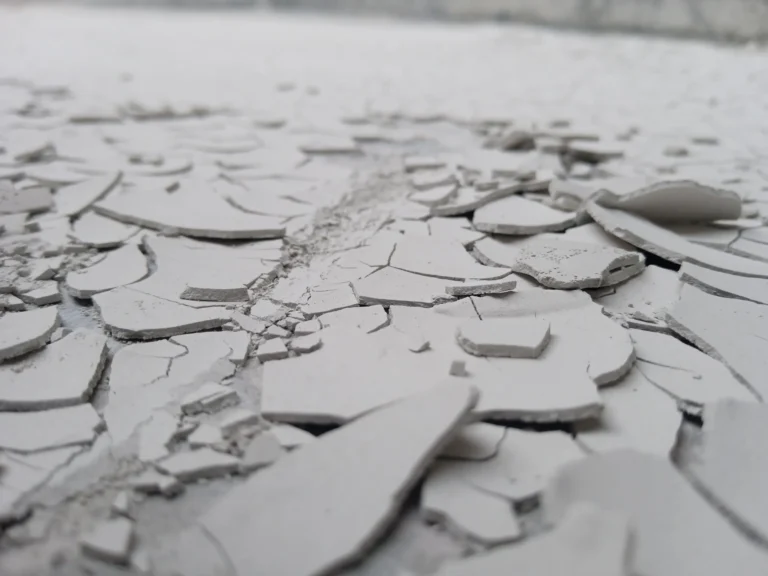
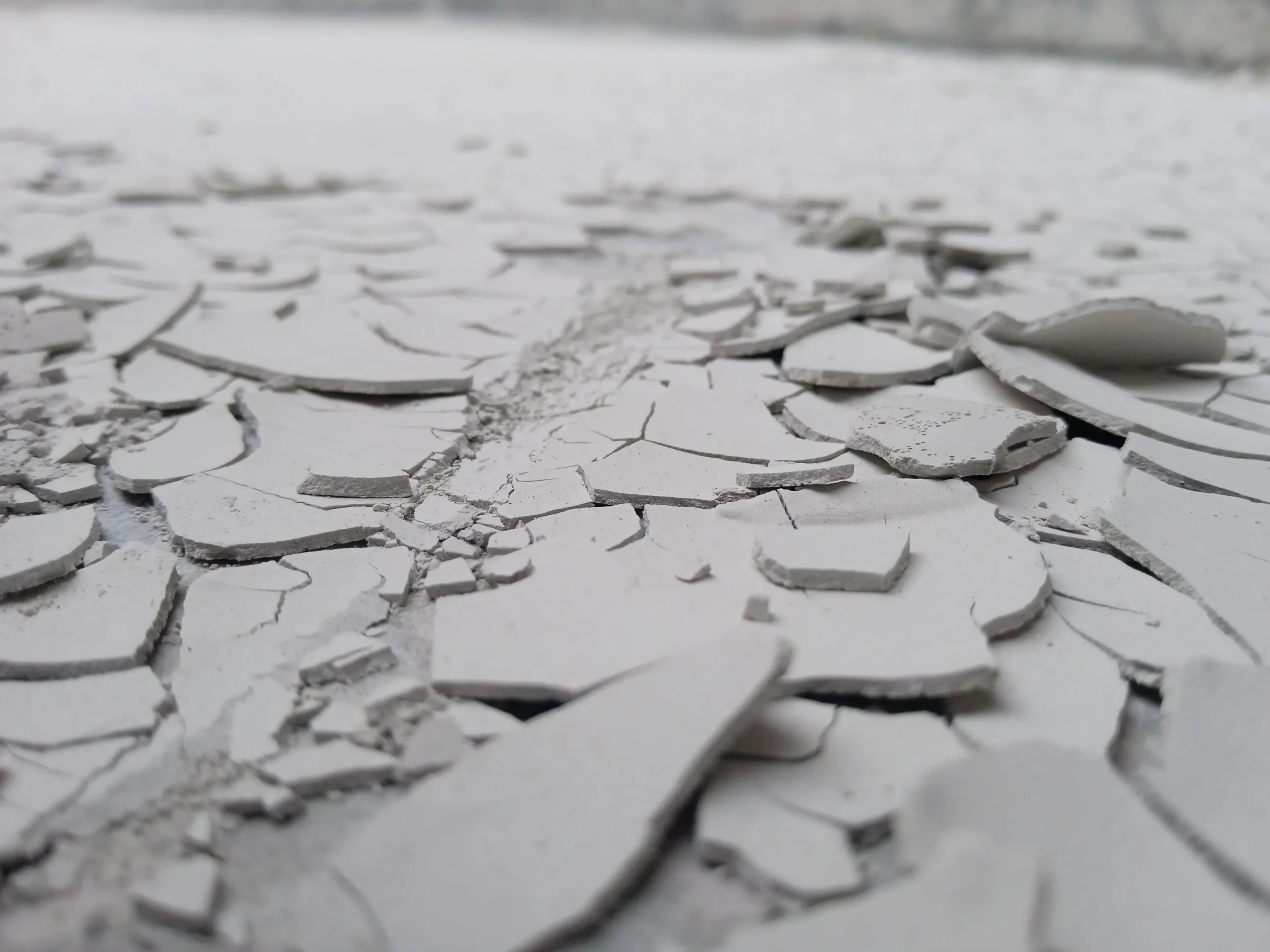
- Peeling, flaking or delaminating areas, especially under the tires, where the coating has let go of the concrete.
- Bubbles or blisters, which can mean moisture or trapped air.
- Hot tire pickup, where tires have lifted or stained the surface. See hot tire pickup on garage floors.
- An unknown previous product, such as a store-bought kit or garage floor paint. Some of these cannot be recoated reliably.
- Heavy oil contamination that has soaked into the surface.
If the problem is in the bond, the better fix is usually removing the old coating down to bare concrete and starting over. The guide to why epoxy floors fail explains the common causes.
A simple bond check you can do
Before calling anyone, try this on an unobtrusive spot. Press a strip of strong tape firmly onto the floor, wait a minute, then pull it off sharply. If coating comes up with the tape, the bond is weak and recoating is risky. You can also walk the floor and tap it with a coin or a screwdriver handle. A hollow sound can point to areas that have let go. This is only a rough check, and a professional can test adhesion more reliably.
How a floor is prepared for a recoat
Even when the old epoxy is sound, a new coat will not stick well to a glossy or dirty surface. A typical recoat involves:
- Cleaning and degreasing the floor thoroughly.
- Testing adhesion and checking for moisture.
- Abrading the old surface, by screening or light grinding, so the new coating has something to grip.
- Repairing chips, cracks and joints. See concrete crack repair.
- Applying a compatible primer or bonding coat, then the new coating system.
The exact steps depend on the products involved, so follow the manufacturer’s instructions and ask your installer which products they plan to use.
Recoat or remove?
Recoating is usually quicker and less disruptive than grinding off the old floor. Removal takes more time, but it eliminates whatever caused the failure. As a rule of thumb, small areas of cosmetic wear can often be recoated, while failure across larger areas usually calls for removal. Ask for both options in a written estimate so you can compare them. The epoxy flooring cost guide explains what affects the price.
What the San Angelo climate adds
Garage floors here face hot summers, large temperature swings and hot tires coming in from the road, all of which stress a coating. A UV-stable, fast-curing topcoat is often chosen when refreshing a floor. If you are weighing systems, see epoxy vs polyaspartic.
Common questions
Can polyaspartic go over old epoxy?
Often yes, if the epoxy is well bonded, clean and abraded, and the products are compatible. Ask the installer to confirm this against the manufacturer’s guidance.
Can I coat over a floor that was painted or sealed?
Usually not directly. Paint and sealers typically need to be removed, or at least abraded and tested, first.
How many times can a floor be recoated?
There is no fixed number. Each layer adds thickness, and at some point removal may be the better choice. The condition of the floor decides.
Next steps
If your floor passes the checks above, ask for a written estimate that covers preparation, products and cure time, and compare it with one that includes removal. See garage floor coating for what a full garage system includes, or the epoxy flooring FAQ for more answers. After the new coating is down, see how long an epoxy floor takes to cure.