How Long Does an Epoxy Floor Take to Cure? A Guide for San Angelo Garages
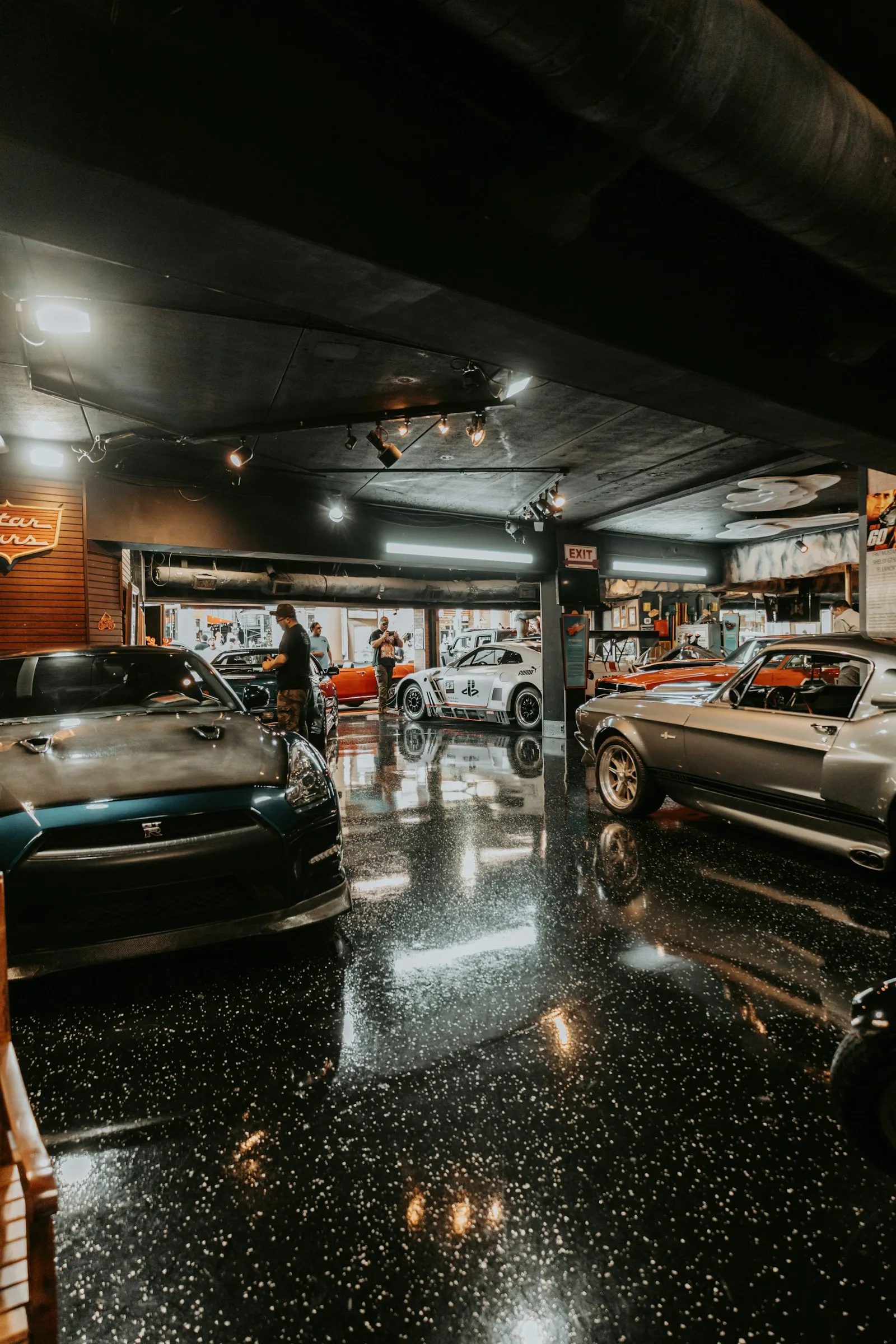
Most epoxy floors can handle light foot traffic after about a day, vehicles after roughly three days, and reach full chemical cure in about a week. Those are typical ranges, not promises. The real timeline depends on the product, the temperature and humidity, and how thick the coating is, so the manufacturer’s data sheet and your installer’s schedule are the numbers to trust.
This guide explains the cure stages, how epoxy and polyaspartic compare, what speeds up or slows down curing in San Angelo conditions, and how to protect a new floor while it hardens.
The stages of curing
A coating does not go from wet to finished all at once. It passes through stages, and each stage allows a little more use:
- Tack-free: the surface stops feeling sticky. This often takes several hours, and it is the point where a recoat can usually be applied.
- Light foot traffic: you can walk on the floor carefully, in clean socks or soft shoes. Many epoxy systems allow this after about a day.
- Vehicle and heavy traffic: cars, tool chests and heavy items are best kept off until the coating has hardened further. For many epoxy systems this is around three days.
- Full cure: the coating reaches its final hardness and chemical resistance, often after about a week. Hot tires and spills are most likely to damage a floor that has not fully cured.
Epoxy and polyaspartic cure at different speeds
Polyaspartic coatings are known for fast curing. Many allow foot traffic within hours and vehicles within about a day, which is why they are popular for garages that need to be back in use quickly. Epoxy generally takes longer to reach the same point. A common setup uses an epoxy base with a polyaspartic topcoat, so the total timeline depends on the whole system. See epoxy vs polyaspartic for a comparison, or the page on polyaspartic floor coatings.
What speeds up or slows down curing
- Temperature: warmth speeds curing and cold slows it. A cold slab or cool night can stretch the schedule considerably.
- Humidity: high humidity can interfere with some products and lengthen cure times.
- Coating thickness: thicker layers take longer to harden all the way through.
- The product itself: each system has its own cure schedule, and fast-cure and standard versions differ.
- Moisture in the slab: a damp slab can slow curing and cause bubbling or peeling later. See why epoxy floors fail.
- Ventilation: good airflow helps solvents and moisture leave the coating.
What San Angelo conditions mean for the schedule
Summer heat shortens the time you have to work with epoxy before it begins to set, and a slab that is hot from direct sun can cause bubbles as air rises out of the concrete. Installers often schedule work for cooler parts of the day for that reason. In winter, cold mornings can slow curing, so the same job may take longer than it would in spring or fall. If the floor is a patio or other outdoor surface, rain or heavy dew during curing can also cause problems. See patio epoxy coating for outdoor considerations.
Protecting a new floor while it cures
- Keep vehicles, pets, children and foot traffic off until your installer says the floor is ready.
- Keep water away from the surface during the first days, and avoid washing the floor until it has fully cured.
- Do not drag or slide heavy items. Lift them.
- Wait before placing rubber mats, rubber-backed rugs or stored items on the surface, and check compatibility first, because some rubber can stain coatings.
- Do not park a hot vehicle on a floor that has not fully cured. See hot tire pickup.
Common questions
Can I park on it the next day?
That depends on the system. Many polyaspartic systems allow it within about a day, while many epoxy systems need closer to three days. Ask your installer for the specific time for the products used and write it down.
Why does my new floor still feel tacky?
Cold temperatures, high humidity, an application that was too thick or an incorrect mix can all leave a floor tacky. Contact the installer rather than trying to fix it yourself, because scrubbing a soft coating can damage it.
When can I wash the floor?
Wait until the coating has fully cured, typically a week or more for many epoxy systems, then use a mild cleaner. Check the care instructions for your specific product.
Does the cure time affect how long the floor lasts?
Rushing the cure can shorten a floor’s life, because early use can mar or soften the surface. Giving the coating the full time it needs is one of the simplest ways to protect your investment.
Next steps
When you compare estimates, ask each contractor for the cure schedule in writing: when the floor can take foot traffic, when vehicles can return, and when it reaches full cure. See garage floor coating for what a full garage system includes, the installation process for how the work unfolds, and the cost guide for what affects the price. If you are refreshing an old floor, read can you epoxy over epoxy. More answers are in the epoxy flooring FAQ.