Do Epoxy Floors Scratch? What Garage Owners Should Know
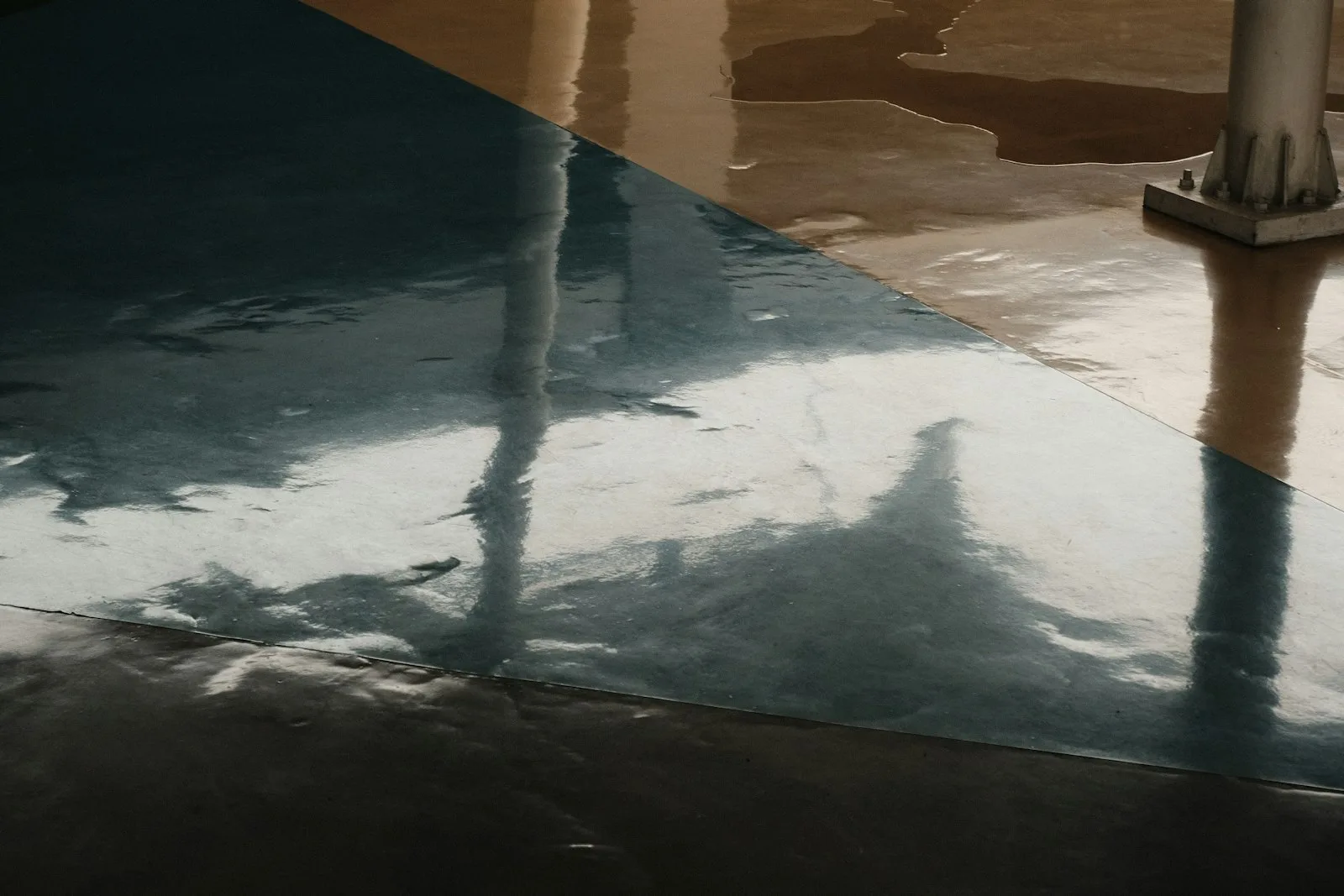
Yes, epoxy floors can scratch. A well-installed epoxy floor is hard and handles everyday use well, but it is not scratch-proof, and how well it holds up depends on the system, the topcoat and how the floor is used. This guide explains what causes scratches, how to tell a scratch from a scuff, and how to reduce the risk.
How scratch-resistant is epoxy?
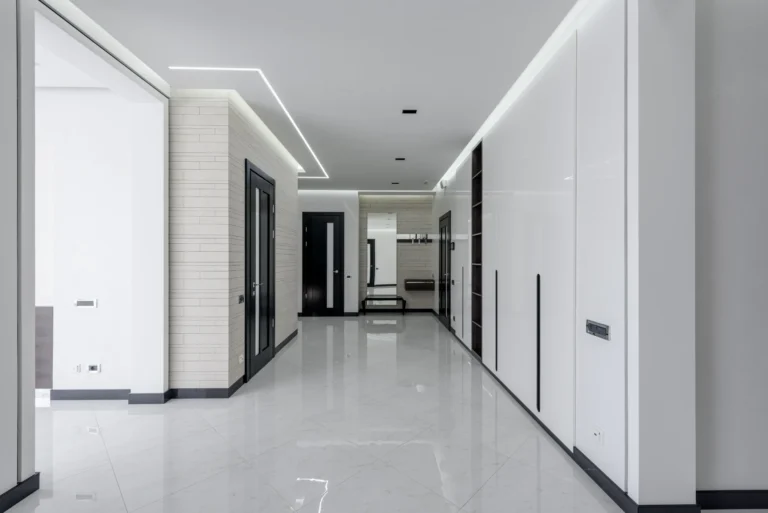
Epoxy is a hard, durable surface compared with bare concrete or paint, and it copes well with foot traffic, tools and tires. But hard does not mean immune. Grit, sharp metal and dragged loads can mark any coating, and glossy finishes show marks more than textured ones.
What causes scratches on an epoxy floor
- Grit and sand tracked in on shoes and tires, which acts like sandpaper under foot and wheels.
- Dragging heavy items such as tool chests, shelves and pallets across the surface.
- Jack stands, jack feet and kickstands that concentrate weight on a very small area.
- Sharp metal objects and tools dropped or dragged on the floor.
- Hard-wheeled carts and rolling equipment.
- Stiff brushes and abrasive pads used for cleaning.
Scratch, scuff or stain?
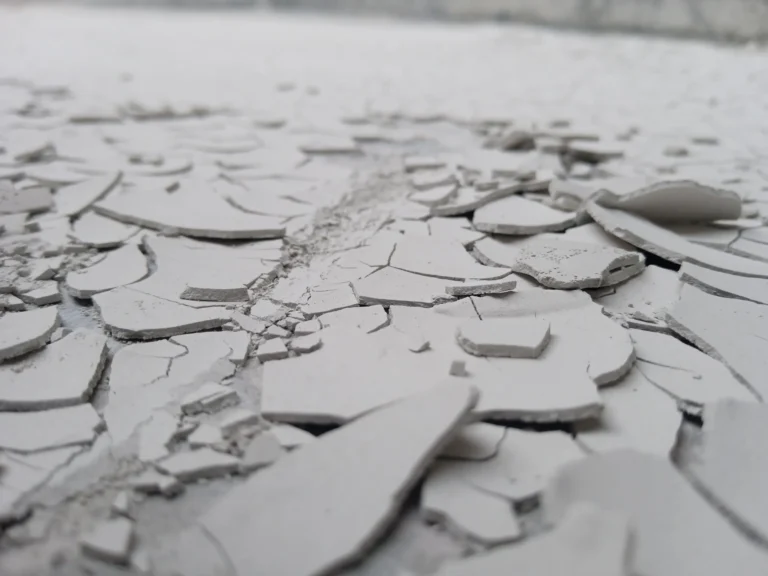
Many marks that look like scratches are really scuffs, a thin layer of rubber or residue transferred from shoes, tires or furniture feet. These often wipe away with a soft cloth and a mild cleaner. A true scratch is a groove in the coating, and you can usually feel it with a fingernail. A scratch that reaches the base coat or the concrete needs repair.
What affects how well a floor resists scratches
- The topcoat: some topcoats are more abrasion-resistant than others, so ask for the manufacturer data sheet. See polyaspartic floor coatings.
- Film thickness: a thin coating gives less protection than a full-build system.
- The finish: a flake system tends to hide small marks better than a smooth, solid-color gloss.
- Cure time: a floor used before it has fully cured is easier to mark. See how long an epoxy floor takes to cure.
- Preparation: a poor bond leads to chipping and peeling, not just surface scratches. See why epoxy floors fail.
- Light-duty kits: store-bought kits are often thinner and can mark more easily. See the downsides of epoxy flooring.
How to reduce the risk
- Sweep or dust-mop regularly to remove grit before it gets ground in.
- Put mats at the garage door and entrances to catch grit.
- Use pads under the legs of shelves and tool chests, and check that the material will not stain the coating.
- Lift heavy items instead of dragging them.
- Put a board or pad under jack stands and jack feet.
- Clean with a soft mop and a mild cleaner, and avoid abrasive pads.
- Consider a flake or textured finish if you want marks to be less visible.
Can scratches be repaired?
Light scuffs can often be cleaned or buffed out, and small scratches can sometimes be filled and recoated in that spot. Widespread damage usually means recoating the floor. If a scratch reaches the concrete, have it looked at soon, because moisture can get under the coating and cause peeling. See can you epoxy over epoxy for how recoating works.
Scratch questions
Do flake floors hide scratches better than solid-color floors?
Often yes. The varied color and texture of a flake system tends to make small marks less noticeable than on a smooth, solid-color gloss floor, although deep scratches will still show.
Will a topcoat prevent scratches?
A good topcoat adds wear resistance, but no coating is scratch-proof. Ask the installer about the abrasion resistance of the specific topcoat, and ask to see the data sheet.
Is polyaspartic more scratch-resistant than epoxy?
Polyaspartic topcoats are often chosen for durability and UV stability, and many perform well against abrasion, but results depend on the specific product. See epoxy vs polyaspartic for a comparison.
Does a warranty cover scratches?
Warranties usually cover defects such as peeling or delamination, not damage from normal wear or misuse. Ask what the written warranty covers and get it in writing.
Next steps
If scratch resistance matters to you, ask each contractor which topcoat they plan to use, what finish they recommend, and what the warranty covers. See garage floor coating for what a full system includes, the cost guide for what affects the price, and the epoxy flooring FAQ for more answers.